Fungal Skin Infection: Symptoms, Treatment & What to Do If It Gets Worse
A fungal skin infection can be frustrating, especially when the itching continues or the affected area keeps getting worse despite using a cream.
Sometimes the problem is that the infection needs more time to clear, but symptoms can also worsen when the diagnosis is incorrect, the treatment isn't appropriate, or the infection needs a different approach.
If a rash is persistent, spreading, or changing despite treatment, it is worth having the condition reassessed rather than repeatedly trying different creams. In this guide, we'll explain what fungal skin infections look like, the different types, how they are treated, why treatment may not be working, and when you should connect with a doctor.
What Is a Fungal Skin Infection?
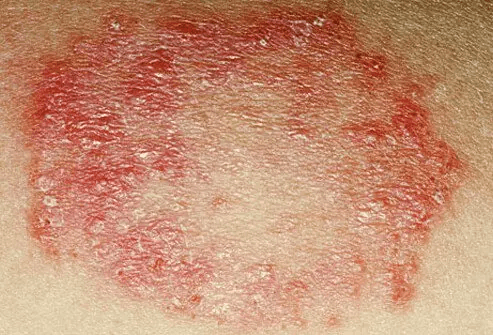
A fungal skin infection is an infection caused by fungi that grow on or in the outer layers of the skin. One common group of fungal infections is ringworm, which can cause itchy, scaly patches that may gradually expand. Despite its name, ringworm is not caused by a worm.
Fungal infections can affect different parts of the body, and their appearance can vary depending on where they occur. Some cause a ring-shaped rash, while others may cause scaling, itching, cracking, or changes to the skin.
Because several skin conditions can look similar, the appearance of a rash alone may not always be enough to determine whether it is fungal.
What Does a Fungal Skin Infection Look Like?
A fungal skin infection may cause:
- Itchy skin
- Dry or scaly patches
- A circular or ring-shaped rash
- A raised or scaly border around the affected area
- Red, pink, brown, purple, or gray discoloration depending on skin tone
- A rash that gradually spreads outward
Ringworm on the body commonly produces an itchy, scaly, slightly raised rash that expands outward, sometimes leaving clearer skin in the center.
However, not every itchy or scaly rash is fungal. Eczema, dermatitis, psoriasis, and some bacterial skin infections can have similar features.
What Are the Common Types of Fungal Skin Infections?
Different fungal infections affect different areas of the body.
Ringworm
Ringworm, also called tinea corporis, commonly affects the body and can cause expanding, ring-shaped, scaly patches.
Athlete's foot
Athlete's foot affects the feet and can cause itching, scaling, burning, or cracked skin, particularly around or between the toes.
Jock itch
Jock itch is a fungal infection affecting the groin area. It can cause an itchy rash that spreads across the surrounding skin.
Fungal nail infection
Fungal infections can also affect the nails, where they may cause changes in the nail's thickness, color, or texture.
Scalp ringworm
A fungal infection of the scalp can cause scaly or inflamed patches and may lead to broken or missing hair. Unlike many fungal infections of the skin, scalp ringworm generally requires prescription treatment rather than just an over-the-counter cream.

Why Might a Fungal Skin Infection Not Get Better With Cream?
If your fungal skin infection is getting worse despite treatment, there are several possible explanations:
- The condition may not actually be a fungal infection. Several rashes can look similar, so the original diagnosis may need to be reconsidered.
- The treatment may not be appropriate for the affected area or type of infection.
- The infection may be more extensive than expected. Larger or more severe infections can require prescription treatment.
- Treatment may have been stopped too early. Fungal infections can improve before the infection has completely cleared, so treatment should generally be continued for the recommended duration.
- The infection may have returned or spread to another area. Fungal infections can spread through scratching or contact with contaminated items.
If the rash continues to worsen despite appropriate treatment, repeatedly changing creams without knowing the cause may delay the right treatment.
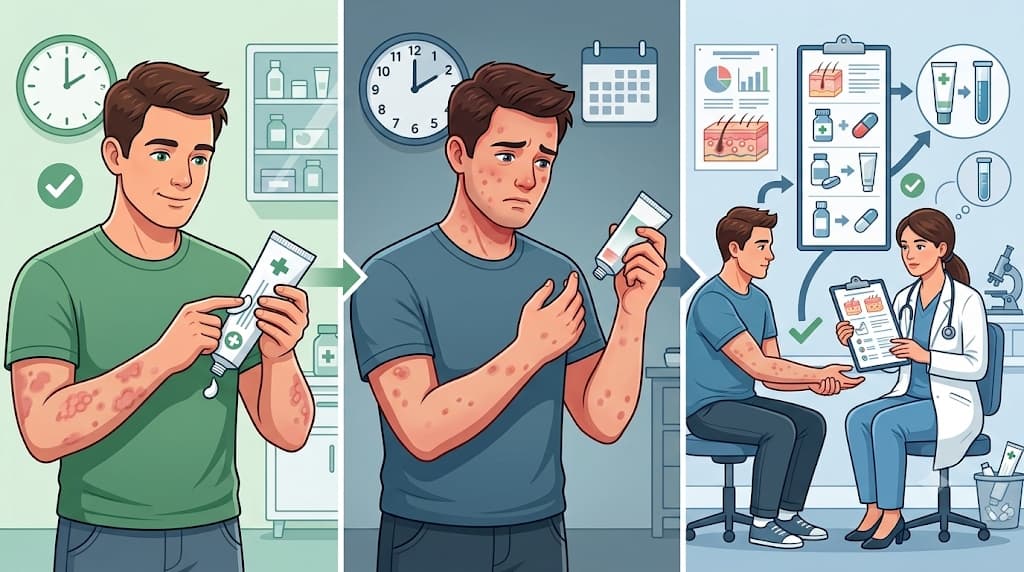
Can Some Creams Make a Fungal Infection Worse?
Some combination creams contain corticosteroids along with other medicines. Steroids can reduce redness and itching, which may make a rash temporarily look better without treating the underlying fungal infection.
This is one reason a rash that keeps returning or changing after cream use may need to be reassessed rather than repeatedly treated with the same product.
If you are unsure whether the cream you are using is appropriate for your rash, a doctor or pharmacist can help determine what treatment is suitable.
How Is a Fungal Skin Infection Treated?
Treatment depends on the location, extent, and type of infection.
For some mild fungal infections affecting the skin, an antifungal cream, ointment, gel, or spray may be enough. Common antifungal treatments include medicines such as clotrimazole or terbinafine, depending on the infection and product instructions.
More extensive or persistent infections may require prescription-strength antifungal treatment. Some infections, such as fungal infections of the scalp or nails, often require treatment prescribed by a doctor.
During treatment:
- Keep the affected skin clean and dry.
- Follow the treatment instructions carefully.
- Don't stop treatment early simply because the itching or rash starts improving.
- Wash your hands after touching the affected area.
- Avoid sharing towels, clothing, or other personal items that may spread the infection.
What If the Skin Infection Keeps Getting Worse?
If a fungal skin infection keeps getting worse, don't assume that you simply need a stronger cream.
Persistent or worsening symptoms can mean that:
- The diagnosis needs to be confirmed.
- The infection needs a different antifungal treatment.
- The infection is affecting a larger area.
- Another skin condition is causing the symptoms.
- A bacterial infection or another condition may be involved.
A doctor may be able to diagnose some fungal infections by examining the skin. If the diagnosis is unclear, they may take a small skin sample for testing.
When Should You See a Doctor?
Medical assessment is particularly useful if:
- The rash is spreading or getting worse
- Symptoms continue despite appropriate antifungal treatment
- The rash keeps returning
- You develop significant pain, swelling, pus, or other signs of infection
- The affected area is on the scalp or nails
- You are unsure whether the rash is actually fungal
- You have a weakened immune system
For example, Mayo Clinic recommends medical assessment when a suspected ringworm rash doesn't begin improving after two weeks of an over-the-counter antifungal product.
If the appearance or symptoms are changing, getting the diagnosis right is more useful than repeatedly trying different treatments.
Can a Fungal Skin Infection Be Assessed Online?
For some non-emergency skin concerns, a doctor may be able to review your symptoms and photographs as part of an online consultation. However, a photograph cannot always distinguish a fungal infection from other conditions that can look similar.
If the diagnosis is uncertain, the doctor may recommend an in-person examination or further testing.
Frequently asked questions
Doctor's takeaway
A fungal skin infection can usually be treated, but a rash that keeps getting worse despite treatment shouldn't simply be treated with more creams.
If the rash is persistent, spreading, returning, or you aren't sure whether it's actually fungal, getting the condition reassessed can help you avoid using the wrong treatment.
Not sure what's causing your skin infection?
Connect with a doctor now to have your symptoms reviewed and get a clear plan for your recovery.
Get doctor review now
Describe your symptoms online and let a qualified doctor decide the appropriate next step.